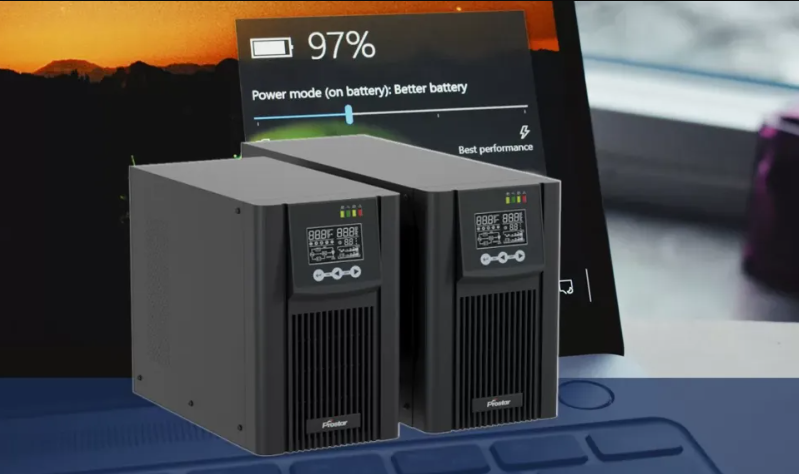
Understanding What an Uninterruptible Power Supply Is
An uninterruptible power supply (UPS) is a device that provides immediate backup power when the main electrical supply fails. Unlike generators, which take time to start, a UPS delivers instant power through internal batteries. This seamless transition ensures that connected devices continue running without interruption.
The uninterruptible power supply benefits extend far beyond simple backup power. A UPS also stabilizes voltage, filters electrical noise, and protects sensitive equipment from sudden surges. Whether used in a data center, office, hospital, or home, a UPS acts as a safety net against unpredictable power problems.
Why Power Interruptions Are More Costly Than You Think
Power outages are not just inconvenient—they can be expensive and disruptive. For businesses, even a few minutes of downtime can lead to lost revenue, damaged data, missed deadlines, and frustrated customers. For home users, outages can damage electronics, interrupt work-from-home setups, and compromise security systems.
According to industry research, unplanned downtime costs businesses thousands of dollars per minute depending on size and industry. This is where the uninterruptible power supply benefits become critically important, offering both financial protection and peace of mind.
See also: 5 Ways to Cut Down on Stress During a Home Remodel
Core Uninterruptible Power Supply Benefits Explained
Continuous Power During Outages
One of the most obvious uninterruptible power supply benefits is uninterrupted access to power. When the main electricity supply fails, a UPS instantly takes over, allowing systems to keep running or shut down safely. This is crucial for servers, medical equipment, and communication systems.
Protection Against Data Loss
Sudden power loss can corrupt files, damage operating systems, and cause irreversible data loss. A UPS gives users enough time to save work and properly shut down devices, dramatically reducing the risk of data corruption.
Equipment Safety and Longevity
Power surges, voltage drops, and electrical noise can slowly damage electronic components. A UPS regulates incoming power, protecting devices and extending their lifespan. Over time, this translates into lower repair and replacement costs.
Improved Business Continuity
Business continuity depends on reliable systems. With a UPS in place, essential operations can continue during short outages, ensuring productivity remains high. This is one of the most valued uninterruptible power supply benefits for organizations of all sizes.
Voltage Regulation and Power Conditioning
Many UPS systems automatically correct voltage fluctuations without switching to battery power. This feature ensures a consistent and clean power supply, which is especially important for sensitive electronics.
Uninterruptible Power Supply Benefits for Businesses
Reduced Downtime Costs
Downtime directly affects revenue and customer trust. A UPS minimizes disruptions by keeping systems online during outages. For industries like finance, healthcare, and e-commerce, this benefit alone justifies the investment.
Enhanced IT Infrastructure Reliability
Servers, routers, and network devices rely on stable power. UPS systems protect these assets, ensuring reliable performance and reducing the risk of hardware failure.
Support for Remote and Hybrid Work
With more employees working remotely, power reliability at home offices is essential. A UPS ensures uninterrupted connectivity, helping employees stay productive even during local power issues.
Uninterruptible Power Supply Benefits for Home Users
Protection for Home Electronics
Televisions, gaming consoles, computers, and home theaters are expensive investments. A UPS shields these devices from sudden power spikes and outages, preserving their functionality.
Reliable Power for Smart Homes
Smart homes rely on constant connectivity. A UPS keeps routers, security cameras, and smart hubs operational during outages, maintaining safety and convenience.
Energy Efficiency and Environmental Advantages
Modern UPS systems are designed with energy efficiency in mind. High-efficiency models reduce power waste and lower electricity bills. Some systems also support eco-mode operation, which minimizes energy consumption when power conditions are stable.
By reducing equipment failure and electronic waste, the uninterruptible power supply benefits also contribute to environmental sustainability.
Scalability and Flexibility of UPS Systems
UPS solutions are available in various sizes, from small desktop units to large-scale industrial systems. This scalability allows users to start small and expand as their power needs grow. Modular UPS systems offer flexibility, making upgrades simple and cost-effective.
Choosing the Right UPS for Maximum Benefits
Selecting the right UPS depends on load capacity, runtime requirements, and application type. Line-interactive and online UPS systems are ideal for critical environments, while standby UPS units work well for basic home use.
For guidance on standards and best practices, you can refer to resources from organizations like the U.S. Department of Energy:
👉 https://www.energy.gov
Common Myths About UPS Systems
Many people believe UPS systems are only for large businesses. In reality, they are just as valuable for home users. Another common myth is that UPS systems are expensive to maintain. Modern designs require minimal upkeep and offer long-term savings.
FAQs About Uninterruptible Power Supply Benefits
1. What are the main uninterruptible power supply benefits?
The main benefits include uninterrupted power, data protection, equipment safety, voltage regulation, and improved productivity.
2. Is a UPS necessary for home use?
Yes, especially for protecting computers, routers, and smart home devices from outages and surges.
3. How long can a UPS provide backup power?
Backup time depends on battery capacity and load, ranging from a few minutes to several hours.
4. Can a UPS reduce electricity costs?
Indirectly, yes. By preventing equipment damage and downtime, a UPS reduces repair and replacement expenses.
5. Are UPS systems environmentally friendly?
Modern UPS systems are energy-efficient and help reduce electronic waste by extending equipment life.
6. How often should a UPS be replaced?
Most UPS units last 3–5 years, depending on usage and battery maintenance.
Conclusion: Why Investing in a UPS Is a Smart Decision
The uninterruptible power supply benefits go far beyond simple backup power. From protecting valuable data and equipment to ensuring business continuity and home safety, a UPS is a reliable and cost-effective solution for modern power challenges.
In a world where power interruptions are increasingly common, investing in a UPS is not just a precaution—it’s a smart, forward-thinking decision that delivers long-term value and peace of mind.